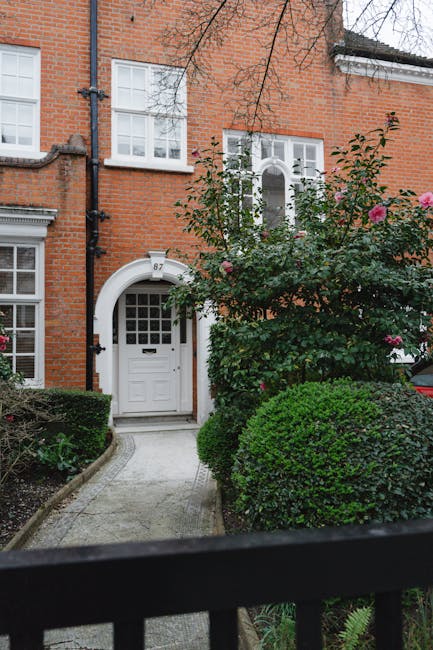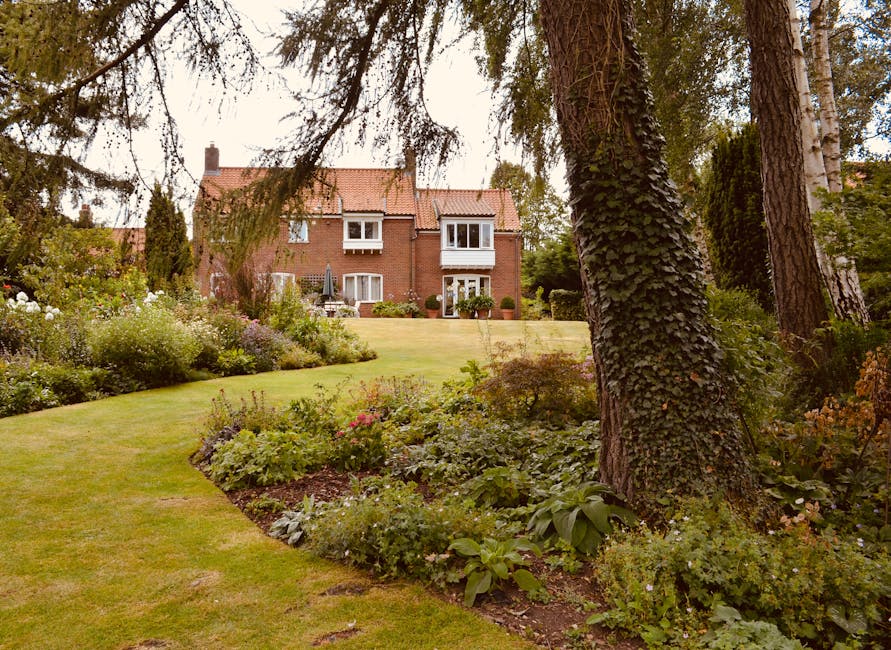
Garden maintenance Claremont Road Surbiton small front yards: a practical guide for neat, low-fuss spaces
If you live on Claremont Road in Surbiton and your front garden is more of a compact welcome mat than a grand lawn, you already know the challenge. Small front yards can look charming, but they also show every stray weed, every overgrown edge, and every bin-day mishap. Good garden maintenance Claremont Road Surbiton small front yards is really about keeping a tight space tidy, attractive, and manageable without turning it into a weekly chore. That balance matters more than people think.
In this guide, we'll walk through what regular upkeep looks like, why it matters in a local setting, and how to make small front spaces work harder for curb appeal, safety, and day-to-day ease. There's a lot you can do with a little frontage, honestly. Sometimes just the right cut, a clean line, and a sensible plant choice changes everything.
Quick takeaway: Small front yards do best with simple structure, regular light maintenance, and planting that stays in scale. Keep the jobs frequent and modest, and the space stops fighting you.
Why Garden maintenance Claremont Road Surbiton small front yards Matters
Front gardens do a lot of quiet work. They are the first thing you see when you step outside, and the first thing visitors, neighbours, and passers-by notice. In a street like Claremont Road, where many homes have modest frontage rather than sweeping plots, a small front yard can either sharpen the whole appearance of the property or make the place feel a bit tired. There's not much room to hide poor upkeep. That's the truth of it.
Regular garden maintenance is especially valuable in small front yards because small spaces get visually cluttered very quickly. A single untidy hedge, a patch of moss on a path, or a border that has run wild can dominate the whole scene. The reverse is also true: a well-kept front yard makes the house look cared for, even if the space itself is simple. You do not need a lot of planting to achieve that. You need consistency.
There is also the practical side. Overgrown shrubs can block light, narrow access, hide defects in paving, or create awkward corners for bins, bikes, and prams. Wet leaves and unchecked growth can make pathways slippery. If your frontage is very small, every square metre has to earn its keep.
And let's face it, small front gardens are rarely given the luxury of a seasonal overhaul. They work best with a steady rhythm: trim, clear, edge, replant where needed, and keep the structure readable. That is the maintenance mindset that suits Surbiton's urban-residential feel much better than a once-a-year blitz.
How Garden maintenance Claremont Road Surbiton small front yards Works
Good maintenance for a small front garden is less about heavy landscaping and more about control. The job usually starts with a quick assessment: what is growing well, what is getting in the way, what looks scruffy, and what needs to stay small because the space simply cannot handle anything too vigorous.
From there, the maintenance cycle normally includes a mix of light but regular tasks:
- lawn mowing or strimming where turf exists
- hedge trimming and shrub shaping
- weeding around paths, borders, and fence lines
- deadheading flowers and removing tired growth
- leaf clearance, especially in autumn
- edging to keep the space looking deliberate
- checking drainage, paving, and access points
In a small front yard, the order matters. Clear the weeds and debris first so you can actually see the shape of the garden. Then cut back what is overreaching. After that, shape edges and tidy details. A clean border line often does more for the appearance of a front garden than adding more plants ever could.
If you are using a professional service, they will usually work from a maintenance plan rather than a one-off idea. That might include fortnightly or monthly visits in the growing season and less frequent attention in winter. The exact schedule depends on planting density, shade, and how quickly things grow in that specific spot. A front yard under a mature tree, for example, will need different care from a sunny, open strip beside the pavement.
One small but useful detail: front gardens near busy roads or foot traffic tend to collect litter, dust, and debris more quickly. So maintenance is not just about plant health. It is about the whole picture. Clean lines. Safe access. A tidy first impression. It all stacks up.
Key Benefits and Practical Advantages
When people think of garden maintenance, they often imagine aesthetics first. Fair enough. But on a small front yard, the benefits go beyond looking nice.
Better curb appeal without overcomplicating things
A trimmed hedge, neat edging, and healthy planting make a compact frontage look finished. That matters whether you are staying put or planning ahead. It is amazing how much calmer a property feels when the front is under control.
Less long-term work
Small gardens reward regular attention. If you keep on top of growth, you avoid the dreaded half-day rescue job where everything is tangled and the wheelie bin has become part of the scenery. Short, frequent sessions are usually easier than heroic clean-ups.
Improved safety and access
Front paths need to stay clear. Overgrown shrubs can brush shoulders, block light, or hide uneven paving. Wet leaves, loose cuttings, and moss are all much easier to manage if maintenance happens before things build up.
Healthier planting
Plants that are trimmed at the right time grow better and stay shapely. In smaller spaces, good pruning is not about making everything tiny; it is about keeping plants balanced so they do not dominate the plot or crowd each other out.
More useful space
In a modest front yard, a smarter layout can create room for bins, pots, a small seating spot, or a better entrance path. Sometimes just reducing one awkward shrub frees up more usable space than a new feature would.
Practical note: if your frontage is awkwardly narrow, simplicity is a strength. One or two recurring maintenance tasks can achieve more than a complex planting scheme that needs constant fiddling.
Who This Is For and When It Makes Sense
This kind of maintenance is a good fit for homeowners, landlords, and busy households that want the front of the property to stay tidy without becoming another weekend project. It is especially sensible if you have a small patch of turf, a short hedge, a couple of beds, or a paved front garden with planters.
It also makes sense if:
- you want the property to look cared for from the street
- you struggle to keep weeds down in tight spaces
- your hedge or shrubs are getting out of hand
- you want a front garden that is simple to maintain year-round
- you are preparing a property for sale or rental photos
- you have mobility limits and need the work done reliably
Truth be told, small front yards are often the gardens people neglect first because they seem "too small to bother with." That is usually where the trouble starts. A little build-up becomes a bigger job quickly. And because the space is visible every day, the mess feels more annoying than it ought to. You know the feeling: you step outside, see the same weeds again, and think, I'll deal with that later. Then later turns into next month.
If your garden has a lot of hard landscaping and only a few beds, maintenance still matters. A compact frontage with paving and containers may need weed control, leaf clearance, pressure washing or sweeping, and regular plant checks just as much as a lawned space does.
Step-by-Step Guidance
If you are trying to manage a small front garden properly, a simple routine is usually the best routine. Here is a clear way to approach it.
- Start with a quick survey. Look at the whole front area from the pavement and from the doorway. What draws the eye first? What looks uneven or cluttered? In small spaces, you want to spot the problem areas before you start cutting.
- Remove loose debris. Clear fallen leaves, litter, broken twigs, and any dead plant material. This gives you room to work and helps you see the actual shape of the space.
- Cut back overgrowth. Trim hedges, shrubs, and any plants encroaching on paths or driveways. For small front yards, gentle shaping often works better than hard pruning unless the plant really needs a reset.
- Weed the borders and paving edges. Small front gardens are full of little weed traps. The seams between paving slabs, the base of fences, and the edge of beds all need attention.
- Define the edges. A crisp edge between lawn and border, or border and path, instantly makes the garden look maintained. It is one of the highest-value small jobs you can do.
- Check plants for health. Remove dead growth, examine for pests, and replace anything that has failed. In tiny gardens, one tired shrub can make the whole area look neglected.
- Finish with a tidy surface. Rake, sweep, or blow away cuttings. If you leave clippings behind, the space looks half-done, even if the work itself was excellent.
If you are maintaining the front yard monthly rather than weekly, keep a note of how fast things grow between visits. That makes planning much easier. Some gardens need little touch-ups every two weeks in spring, while others can go longer if planting is low-maintenance. There is no one-size-fits-all answer, which is mildly annoying but true.
A simple maintenance rhythm that works well
- Spring: tidy winter damage, prune lightly, refresh mulch, and keep weeds down.
- Summer: mow or trim regularly, deadhead flowers, water new planting, and keep paths clean.
- Autumn: leaf clearance, border tidy-up, and check drainage before wet weather settles in.
- Winter: protect fragile plants, cut back only when appropriate, and keep access safe.
Expert Tips for Better Results
A small front yard benefits from restraint. That may sound obvious, but it is easy to overdo things when you only have a little space. One oversized shrub can swallow the whole frontage. One overdecorated bed can make the garden feel cramped. Less can be more, as long as the "less" is maintained properly.
Choose plants that stay proportionate. Compact evergreen shrubs, low-maintenance perennials, and neat ornamental grasses often work well because they hold shape without constant intervention. If a plant wants to become a giant, think twice.
Use repetition carefully. Repeating one or two plant types creates calm. In a small area, too many varieties can look busy in the wrong way. A front yard should feel welcoming, not like a plant shop had a minor accident.
Keep the path line clear. The route from gate to door should be obvious and unobstructed. If guests have to zig-zag around pots, it starts to feel messy very quickly.
Mulch can help. A tidy mulch layer helps suppress weeds and makes beds look finished. It also holds moisture reasonably well, which is useful during dry spells.
Prune with the final shape in mind. Before you cut, imagine the plant three months from now, not just ten minutes from now. In a small front garden, the aftermath matters more than the moment.
Don't ignore the hard surfaces. A swept path, clean step, and clear boundary edge can be as important as the planting. Sometimes the quickest route to a better-looking frontage is not more gardening at all, just better presentation.
A small aside: you can tell a lot about a property from the front path. If it looks calm, everything else tends to feel calmer too. That might be slightly sentimental, but it is usually true.
Common Mistakes to Avoid
Small front gardens magnify mistakes. Something minor becomes visually obvious. Something left for too long becomes a proper nuisance. Here are the common ones worth avoiding.
Letting growth run on too long
The most common problem is simply delay. Once hedges or shrubs move beyond their ideal size, they are harder to shape neatly without looking cut-back. Regular trimming is kinder than occasional rescue work.
Overplanting the space
A tiny frontage does not need a dense planting scheme. Too many plants compete for light, airflow, and space, and the whole thing starts to feel cramped. Choose fewer, better-fitting options.
Ignoring the edges
Weeds and moss gather where the eye does not immediately go: along fence lines, behind wheelie bins, around drain covers, and in paving cracks. These areas matter more than people expect.
Using the wrong tools
Heavy tools in a small space can do more harm than good. A compact hedge trimmer, a decent pair of shears, and a hand weeder may be more useful than a large machine that feels like overkill.
Cutting without a plan
Snipping here and there until the garden "looks better" can leave it patchy. Step back and work to a shape. That simple pause saves a lot of regret.
Forgetting seasonal timing
Some plants are fine with regular light trimming. Others need more careful timing. If you are unsure, it is better to prune conservatively than to strip a plant at the wrong moment.
And yes, there is a slightly comic side to all this. A tiny front garden can somehow look worse than a much larger one when it is neglected. It is almost impressively unforgiving.
Tools, Resources and Recommendations
You do not need a van full of kit to maintain a small front yard properly. In fact, keeping tools simple is usually a win. The aim is control, not clutter.
| Tool or item | Best use | Why it helps in small front yards |
|---|---|---|
| Hand shears or compact hedge trimmer | Shaping hedges and shrubs | Gives cleaner control than oversized kit |
| Hand weeder | Removing weeds from cracks and borders | Useful for precise work near paving and roots |
| Leaf rake or stiff brush | Clearing debris and tidying surfaces | Keeps the frontage neat without disturbing plants |
| Bypass secateurs | Snipping dead stems and small branches | Handy for detailed plant care |
| Edging tool | Defining lawn and border edges | Creates an immediate sense of order |
| Garden waste bags or a trug | Collecting cuttings and debris | Stops mess from spreading around the entrance |
If you prefer not to do the work yourself, it helps to compare the maintenance approach rather than just the label on the service. A general upkeep visit may suit some gardens, while more structured care is better if hedging, lawn care, and planting are all involved. You can also look at the wider range of support on the services overview page if you are trying to work out which type of help fits your front garden.
For readers who want an overview of ongoing upkeep rather than a one-off tidy, the main garden maintenance service page is a sensible place to understand how regular care is typically structured. If your small front yard includes a lot of edges, hedging, or shrubs, then related services like hedge trimming and lawn mowing can be especially relevant too.
Law, Compliance, Standards, or Best Practice
For most small front garden maintenance jobs, the main concerns are practical rather than legal. That said, best practice matters. You should work safely, avoid causing nuisance to neighbours, and keep access routes clear. If any maintenance involves ladders, power tools, or handling heavier cuttings, sensible precautions are essential. No shortcuts, really.
In a residential street, it is good practice to avoid blocking the pavement, leaving cuttings where they could blow around, or allowing thorny growth to protrude where people pass. If you live in a shared or closely built setting, considerate timing matters too. Early-morning noise or messy cuttings left out in wet weather can create friction quickly.
Professional providers should also be properly insured and follow safe working methods. If you are comparing services, the details on insurance and safety and the health and safety policy are worth reading. Those pages help set expectations about risk awareness, safe working, and responsible site care.
Best practice also includes waste handling. Cuttings, branches, and general green waste should be disposed of responsibly rather than dumped or left to decay where they create pests or damp. If sustainability matters to you, look for garden care that considers recycling and responsible disposal. That is just common sense, and a nicer way to work.
Options, Methods, or Comparison Table
There are a few sensible ways to manage a small front yard, and each suits a different kind of household. The right option depends on time, budget, and how hands-on you want to be.
| Approach | Best for | Pros | Trade-offs |
|---|---|---|---|
| DIY light maintenance | Homeowners with time and basic tools | Low cost, flexible, satisfying | Needs consistency and a bit of know-how |
| Scheduled professional upkeep | Busy households and landlords | Reliable, tidy finish, less stress | Ongoing cost |
| One-off tidy and reset | Overgrown or neglected front yards | Fast visual improvement | Needs follow-up to stay neat |
| Low-maintenance redesign | People wanting less future work | Reduces ongoing effort | Requires upfront planning or investment |
For many Claremont Road homes, a blended approach works best: a tidy-up to reset the space, then lighter regular maintenance after that. If the frontage is small and simple, that can be enough to keep it looking sharp with very little drama.
If you are also weighing up budget, a general pricing reference can help with expectations. The article on how much gardeners cost in Surbiton KT6 may be useful if you want a better feel for how local gardening work is typically discussed. It is always better to have a realistic picture before you start.
Case Study or Real-World Example
Take a typical small front yard on a residential road in Surbiton: a narrow lawn strip, a couple of shrubs near the window, a short hedge by the boundary, and a paved path to the front door. At first glance it seems easy enough, but after a couple of months without attention, the hedge softens into the path, weeds creep through the edging, and the lawn starts to look patchy from neglect rather than use.
The turnaround is usually not dramatic in the dramatic sense. No giant redesign. No endless planting. Just methodical work.
In one common scenario, the key changes would be:
- the hedge is reduced to a cleaner line
- the border is weeded and mulched
- the path is swept and cleared
- one overlarge shrub is lightly reshaped, not hacked
- the lawn is cut to a neat, modest finish
After that, the front garden suddenly reads as intentional. Not fancy. Not fussy. Just looked after. And because the space is small, the improvement feels bigger than the amount of work involved. That is one of the nice things about front gardens, if you think about it. Tiny changes travel a long way.
Where a garden has more structure, you can also borrow ideas from broader landscape work. The landscape gardening and landscaping services are useful references when a small frontage needs a smarter layout rather than just regular cutting. If there is a hardstanding element, such as a small terrace or entrance platform, decking services may also be relevant in the wider property plan.
Practical Checklist
Use this quick checklist to keep a small front yard in good shape through the year.
- Check the front garden from the pavement and from the door
- Remove litter, twigs, and old plant material
- Weed borders, paving joints, and fence lines
- Trim hedges and shrubs before they spill into access routes
- Edge the lawn or border for a crisp finish
- Deadhead flowers and remove dying stems
- Clear moss, leaves, and slippery debris from paths
- Review plants that are too large for the space
- Top up mulch where needed to reduce weed growth
- Dispose of green waste properly
- Check that the front entrance still feels open and welcoming
- Schedule the next tidy-up before growth gets away from you
Useful habit: set a recurring reminder for a quick front-garden check. Ten minutes every so often beats a full Saturday lost to rescue work. Every time.
If your front yard is part of a larger tidy-up after a long gap, it may also be sensible to combine maintenance with garden clearance so the space can be reset properly before regular care begins again.
Conclusion
Small front yards on Claremont Road do not need to be elaborate to look good. They need to be consistent, balanced, and easy to read at a glance. That is really the heart of good garden maintenance Claremont Road Surbiton small front yards: keep the space simple, keep it tidy, and stay ahead of growth before it starts dictating the layout.
Whether you manage it yourself or bring in help, the same principles apply. Watch the edges. Control the scale. Keep the path clear. Choose plants that behave themselves. It sounds modest, but modest works beautifully in a small frontage.
If your garden is starting to feel like it needs a reset, or if you simply want it to stay neat with less effort, now is a good time to review what it actually needs. A little attention goes a very long way in a compact space, and once it is back in shape, life at the front door feels easier somehow.
Get a free quote today and see how much you can save.
Frequently Asked Questions
How often should a small front yard in Surbiton be maintained?
For most small front yards, light maintenance every two to four weeks during active growing periods is a sensible starting point. In winter, the schedule can usually be less frequent unless leaves, moss, or access issues build up. The right rhythm depends on how fast your planting grows and how exposed the garden is.
What makes front garden maintenance different from back garden maintenance?
Front gardens are more visible and usually more compact, so small problems show up faster. They also need to stay tidy for access, presentation, and day-to-day use. Back gardens can sometimes be more relaxed; front gardens tend to demand cleaner lines and less clutter.
Can a small front yard still have planting as well as paving?
Yes, absolutely. The trick is to avoid overcrowding. A few well-chosen plants in containers or small beds can soften paving and create a welcome feel without making the area hard to maintain. Scale matters more than quantity.
Is regular hedge trimming important for small front gardens?
Very much so. Even a short hedge can quickly dominate a small frontage if it is left to grow unchecked. Regular trimming keeps the line neat, preserves light, and stops the entrance from feeling boxed in.
What are the most common maintenance tasks for a small front yard?
The most common jobs are weeding, hedge trimming, lawn mowing, edging, leaf clearance, and general tidying. In paved front gardens, sweeping and moss control are often just as important as plant care.
How do I make a tiny front garden look bigger?
Use clear edges, avoid overplanting, keep sightlines open, and choose a simple planting palette. A tidy path and a well-shaped border often make a small garden feel more spacious than adding extra features would.
Is garden maintenance worth it if the front yard is very small?
Yes, because small spaces have a big visual impact relative to their size. A tidy frontage improves the feel of the whole property and stops minor problems from becoming persistent ones. Even modest upkeep pays off.
What should I do with overgrown shrubs in a small front yard?
Start by assessing whether they can be reshaped or whether they need reducing more substantially. In a tight space, it is usually better to prune carefully and restore balance than to let shrubs keep pushing into paths and windows.
Do I need professional help for a small front garden?
Not always. If you have time, basic tools, and a simple layout, DIY care can work well. Professional help makes more sense if the garden is overgrown, you want ongoing reliability, or you simply do not want the upkeep hanging over you.
What should I look for in a garden maintenance service?
Look for clear communication, a sensible maintenance plan, proper safety standards, and a finish that suits a small residential front garden rather than a one-size-fits-all approach. It is also wise to check how they handle waste, access, and recurring visits.
What is the biggest mistake people make with small front yards?
The biggest mistake is letting growth drift until the space feels crowded and messy. Because the garden is small, the build-up happens quickly. Regular light care is much easier than waiting for a major tidy-up.
Can maintenance help if I want to improve kerb appeal before selling?
Definitely. A neat front garden creates a strong first impression and suggests the property is well looked after. For buyers, that can matter before they have even stepped through the door. It is a small thing with outsized impact.