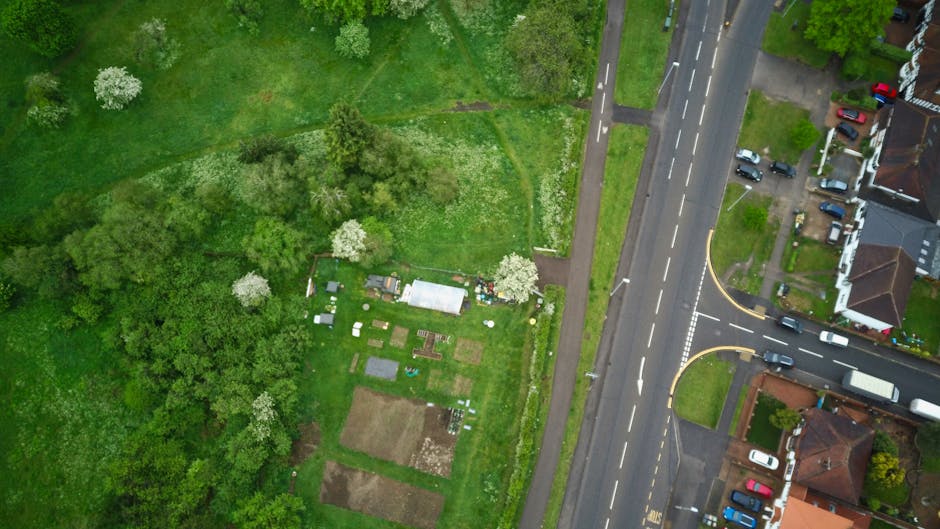
Seething Wells guide gardeners access parking and tools

If you are planning garden work around Seething Wells, the little details matter more than people expect. Where will the van stop? Can tools be carried in safely? Is there room to unload without blocking the road or upsetting neighbours? A good Seething Wells guide gardeners access parking and tools plan saves time, avoids hassle, and keeps the job feeling calm rather than chaotic. Truth be told, that is half the battle in busy London areas.
This guide brings the practical side into focus. It explains how access usually works, what to think about for parking and equipment, who this matters for, and how to prepare without overcomplicating things. You will also find a checklist, a comparison table, and a realistic example from day-to-day garden work. No fluff. Just the things that help a job run smoothly.
Why Seething Wells guide gardeners access parking and tools Matters
Gardeners do their best work when the practical side is sorted before the first cut, prune, or clearance begins. In Seething Wells, that usually means thinking about tight streets, nearby residents, restricted stopping, and the simple problem of carrying tools from A to B without wasting half the morning. Sounds minor, doesn't it? Yet those small friction points can change the whole rhythm of a job.
Access matters because garden work is not just about skill with a mower or hedge trimmer. It is also about logistics. If a team cannot get close enough to load and unload, they may need extra time, extra labour, or a different plan altogether. Parking affects how quickly equipment can be brought in. Tool access affects what can realistically be done in one visit. And if the site is awkward, even a straightforward tidy-up can become a small puzzle.
For local homeowners, landlords, and property managers, this is where planning becomes valuable. A well-prepared visit reduces disruption, lowers the chance of damage to paving or planting beds, and helps the work finish on time. It also supports better communication. When everyone knows where the gate is, where the van can stop, and where tools should be stored, the job starts on the front foot.
Key takeaway: in a place like Seething Wells, access and parking are not side issues; they are part of the service design. The smoother they are, the better the gardening result tends to be.
How Seething Wells guide gardeners access parking and tools Works
The process usually starts before anyone arrives on site. A gardener or client looks at three practical questions: how will people get in, where can a vehicle stop safely, and what equipment needs to be carried through the property? That sounds basic, but basic is good. Basic keeps jobs moving.
In many cases, the garden team will arrive with a van containing the main tools, fuel, bags, and protective kit. If parking is easy, they can park close to the property and unload in minutes. If parking is awkward, they may need to use hand trolleys, carry gear in stages, or park a little further away and plan for extra walking time. None of that is impossible. It just needs to be factored in.
Access also depends on the type of work. Routine maintenance may need only a mower, trimmer, and waste sacks. Heavier jobs, such as garden clearance or tree-related work, often require more equipment and more space. A project involving landscape gardening or larger material movement may need clearer entry routes and a better unloading point. If a job includes hard landscaping or decking services, you may also need temporary storage space for materials while the work is in progress.
One thing people sometimes overlook is the human side of access. A gate that is technically wide enough can still be awkward if the path curves sharply or if tools need to be carried through a narrow side passage. Wet ground, loose gravel, low branches, and uneven steps all affect how the work unfolds. You notice these things fast once the first wheelbarrow gets stuck. Not ideal, obviously.
Good access planning is less about perfection and more about removing avoidable delays. When done properly, it creates a clean route from the van to the garden, and from the garden back out again.
Key Benefits and Practical Advantages
There are several direct benefits to planning access, parking, and tools carefully for garden work in Seething Wells. Some are obvious. Others only become obvious after something has gone wrong.
- Less wasted time: close parking and clear access reduce the back-and-forth carrying of tools and waste.
- Lower disruption: neighbours are less likely to be inconvenienced when unloading is tidy and controlled.
- Better safety: fewer trip hazards, fewer awkward lifts, and less chance of blocking entrances or footpaths.
- Improved finish: when the team is not fighting logistics, they can focus on the quality of the work.
- More accurate scheduling: jobs are easier to estimate when access conditions are clear from the start.
- Reduced risk of damage: thoughtful parking and tool movement help protect driveways, lawns, and borders.
There is also a financial angle, even if it is not the whole story. A job that takes longer because of poor access may need more labour time or a revised scope. On the other hand, a clean site setup often means the gardener can complete more in one visit. That is where planning pays for itself, quietly and without drama.
If you are comparing services, the access conversation can reveal a lot about professionalism. A team that asks sensible questions about parking, gates, waste removal, and tool storage is usually thinking ahead. That is a good sign. It tells you they care about the practical outcome, not just the job title.
Who This Is For and When It Makes Sense
This guide is useful for anyone arranging garden work in or around Seething Wells, but it is especially relevant if your property has limited frontage, shared access, or a busy road nearby. Flat owners, terrace homeowners, letting agents, caretakers, and small business premises all tend to run into the same issue: there is gardening to do, but not much room to do it in.
It also makes sense for people planning more than a quick tidy. If the work involves hedge trimming, lawn mowing, clearance, pruning, or larger design changes, access planning becomes much more important. The bigger the job, the more the small logistics matter. A mower is one thing. A pile of branches, bags of waste, or paving materials is another thing entirely.
Here are a few situations where this guide is particularly useful:
- You have a narrow drive or no private driveway at all.
- The garden is reached through a side passage or communal entrance.
- You need work done early, when parking spaces are tight.
- The project includes waste removal or repeated trips between van and garden.
- You want to avoid friction with neighbours or building management.
To be fair, even large gardens can have access problems if the route from the road to the working area is clumsy. Good access is not about property size alone. It is about how the whole site functions on the day.
If you are still weighing up the wider service options, the services overview can help you place access needs in context with the type of garden work you are arranging.
Step-by-Step Guidance
Here is a straightforward way to plan access, parking, and tools before garden work begins. It is simple on paper, but it saves a lot of muddle in real life.
- Walk the route from road to garden. Check gates, steps, narrow paths, overhead branches, bins, and anything that might slow movement.
- Confirm parking expectations. Decide whether a van can stop outside, whether a short stay is realistic, or whether a nearby spot is the better option.
- Identify the tools needed. Small maintenance jobs need less kit than clearance or structural work, so make sure the equipment list matches the task.
- Set a clear unloading point. A dry, flat area near the entrance works best. If that is not possible, choose the next safest alternative.
- Remove obstacles in advance. Move bikes, toys, planters, hosepipes, and anything else likely to trip someone or block the route.
- Agree waste handling early. If bags, branches, soil, or cuttings need to leave the site, decide where they will be stacked and how they will be moved out.
- Check for shared-space concerns. In flats or managed properties, confirm whether neighbours, concierge staff, or building rules affect access.
- Leave room for the unexpected. Weather, locked gates, and surprise obstructions happen. They always do, sooner or later.
A useful habit is to think in two stages: arrival and departure. It is one thing to get tools in. It is another to get waste out without dragging mud across paving or blocking someone's car. That second part gets missed all the time, and then everybody wishes it hadn't.
If the work includes more intensive outdoor improvements, it can help to link access planning with garden maintenance, landscaping, or garden clearance so the equipment and waste strategy match the actual scale of the job.
Expert Tips for Better Results
In our experience, the best access plans are boring in the best possible way. Nothing dramatic. Nothing clever for the sake of it. Just sensible choices that make the job feel easy.
First, photograph the access route before the visit if you can. A quick picture of the gate, driveway, or side passage tells more than a long explanation. It also avoids misunderstandings about width, surface type, and steps. A few seconds with a phone can save a lot of guesswork later.
Second, think about timing. Early morning parking may be easier than midday parking, but school runs, bin collections, and rush-hour traffic can still complicate things. A later start can sometimes be better if it means the van can stop more safely and the crew can unload without pressure.
Third, separate tools by task. Keep the most frequently used items closest to hand so you are not rummaging around in the back of a vehicle while the job waits. A simple layout often beats a fancy one. Garden work is not really the place for theatre.
Fourth, choose the right footwear and carry method for the site. Wet paving, mossy paths, and uneven slabs can become slippery fast. A sensible grip and a steady carrying rhythm matter more than people think. You only get one back, as they say.
Finally, speak up early if access changes. If a resident has parked awkwardly, a gate is jammed, or the site has become difficult due to weather, say so before the delay spreads. Honest updates keep everyone onside.
Common Mistakes to Avoid
The most common mistakes are rarely dramatic. They are usually small oversights that snowball once the crew arrives. That is the annoying bit.
- Assuming parking will work out on the day. In tighter streets, that is asking for trouble.
- Not measuring narrow access points. A mower, wheelbarrow, or waste bag needs a realistic route, not a hopeful one.
- Forgetting about waste removal. You need a plan for the cuttings, not just the cutting.
- Leaving fragile items near the access path. Pots, ornaments, and garden furniture should be moved out of the way.
- Ignoring shared access rules. Flats and managed homes often have practical limits even when the garden itself looks simple.
- Overloading one person with too much kit. If tools are heavy or numerous, split the load and plan a safer carry.
One subtle mistake is underestimating the weather. A route that feels fine on a dry afternoon can become messy after rain. Wet soil, slippery paving, and muddy wheels can change everything. It is better to build in a little flexibility than to pretend the weather will cooperate. It usually does not.
Tools, Resources and Recommendations
The right tools depend on the job, but there are a few reliable categories that matter for access-heavy garden work. Think in terms of transport, protection, and efficiency rather than just cutting power.
| Tool or Item | Why It Helps | Best For |
|---|---|---|
| Compact garden trolley or sack truck | Makes it easier to move bags and equipment along longer access routes | Restricted parking, waste carry-out, repeated trips |
| Heavy-duty waste bags | Helps keep cuttings and debris contained during removal | Hedge trimming, clearance, seasonal tidy-ups |
| Protective gloves and sturdy footwear | Reduces slips, cuts, and strain while carrying tools | Almost every outdoor job |
| Battery-powered hand tools | Often easier to manage on sites with limited external power access | Smaller maintenance jobs, quick tidy work |
| Tarpaulin or groundsheet | Helps protect surfaces and collect debris in one place | Clearance work, pruning, loading zones |
For many local jobs, a clean, well-organised kit makes more difference than sheer volume of equipment. A team carrying three well-chosen tools can often work more smoothly than a team hauling six things they do not really need. Simpler, lighter, faster. That's usually the sweet spot.
If your project is more than routine upkeep, it may also be useful to explore garden maintenance, lawn mowing, or hedge trimming so the tool plan matches the specific service rather than trying to stretch one setup across everything.
For larger outdoor transformations, the best route is often a broader plan that includes landscape gardening or landscaping, especially where materials, access, and sequencing all matter at once.
Law, Compliance, Standards, or Best Practice
Access and parking for garden work may seem like a purely practical issue, but there is a compliance side too. In the UK, anyone working on or around a property should be mindful of safe manual handling, public access, neighbour considerations, and any local parking restrictions or site rules that apply. The exact obligations will vary depending on the location, property type, and scope of work.
Good practice usually includes avoiding obstruction, keeping pathways reasonably clear, and handling tools and waste in a way that does not create unnecessary risk. If a job involves heights, trees, heavy waste, or machinery, the safety standard should rise accordingly. That is just common sense, really, but common sense still needs to be planned.
For service providers, it is also sensible to maintain proper insurance, follow internal health and safety procedures, and use equipment suited to the environment. If you are hiring someone, you are perfectly entitled to ask how they manage site safety, what happens with waste, and how they handle access restrictions. That is not being difficult. It is being careful.
Where trees or significant branches are involved, a service like tree lopping and removal may bring extra safety and access considerations, especially if the route is tight or the work area is close to structures or parked vehicles.
For businesses with formal procedures, it can also be helpful to review a provider's health and safety policy and insurance and safety information. Those pages will not tell you everything about a job, but they do offer useful reassurance about how seriously the work is managed.
There is one more practical point: if waste is being collected and moved off site, consider the provider's approach to recycling and responsible disposal. A well-run service will think about this from the outset, not as an afterthought once the van is full. You can learn more through the recycling and sustainability page.
Options, Methods, or Comparison Table
There is no single best method for access and parking. The right approach depends on the property layout, the size of the job, and how much equipment is needed. Here is a simple comparison that may help.
| Method | Best Use | Advantages | Trade-Offs |
|---|---|---|---|
| Van parks directly outside | Short maintenance visits with light equipment | Fast loading, less carrying, easier waste removal | Depends on street availability and local restrictions |
| Van parks nearby, tools carried in | Moderate jobs in busier streets | More flexible, still workable for most garden tasks | More labour, slower start, more planning required |
| Staged unloading with a trolley | Properties with long access paths or awkward entrances | Safer than repeated manual carrying of heavy items | Needs space to stage items and a careful route |
| Pre-cleared site with designated work zone | Clearance, landscaping, or larger projects | Best for efficiency and surface protection | Requires the most preparation from the client |
If you are unsure which method fits your property, think about the length of the route, the weight of the tools, and whether any delicate surfaces need protecting. A short route and a small toolset often call for a simpler plan. Bigger work? A more structured setup is worth it.
Case Study or Real-World Example
Here is a realistic example from a typical Seething Wells-style setup. A homeowner wants a mix of hedge trimming, lawn tidy-up, and light clearance before a family gathering. The front street is busy, and there is no private driveway. The garden is reached through a side passage, which is perfectly usable but not generous.
On the first look, the main issue is not the garden itself. It is access. The solution is to agree a short stop for unloading, bring only the essential tools into the garden first, and keep waste bags near the exit point as the work progresses. A small trolley is used for heavier items so that no one ends up shuffling back and forth with armfuls of kit. Simple enough, but it changes the whole pace.
By mid-morning, the hedge is shaped, the lawn is clear, and the waste is already stacked in a tidy place for removal. Nothing was rushed, nothing was left cluttering the path, and the client did not have to keep opening gates or moving garden furniture every ten minutes. The job felt orderly. That is the word, really. Orderly.
Expert summary: the best access plan is usually the one that reduces decision-making on the day. If tools, parking, and waste movement are already thought through, the garden work itself can take centre stage.
This sort of setup is also where well-planned garden clearance or ongoing garden maintenance becomes easier to repeat. Once a good access rhythm is established, future visits tend to run more smoothly.
Practical Checklist
Use this checklist before the visit. It is short, but it covers the things that usually cause delays.
- Confirm the garden entrance and the best route from street to work area.
- Check whether a van can stop nearby or whether parking is limited.
- Measure narrow gates, passages, or side returns if access is tight.
- Remove bins, bikes, toys, pots, and fragile items from the access route.
- Decide where tools will be stored during the job.
- Agree where waste will be collected and loaded out.
- Make sure shared entrances or communal areas are understood in advance.
- Plan for weather, especially if surfaces could be slippery or muddy.
- Keep keys, codes, and contact details ready if someone needs entry on arrival.
- Review any safety or insurance questions before the work begins.
If you can tick those boxes, most of the stress drops away. Not all of it, of course. A garden job still involves soil, weather, and the occasional awkward branch. But the day usually feels much easier.
Get a free quote today and see how much you can save.
Conclusion
Seething Wells garden work is rarely difficult because of the gardening itself. More often, it is the access, parking, and tool handling that decide how smooth the experience feels. Once those pieces are sorted, everything else tends to fall into place more naturally. The crew can get in, work efficiently, and leave the site tidy without fuss.
That is why a practical approach matters. Whether you are arranging a one-off tidy-up or planning ongoing outdoor care, think about the route, the vehicle, the kit, and the waste before the job starts. A little planning goes a long way. Honestly, it usually pays back in time, calm, and a better finish.
And if you are still refining the scope of work, it may help to review pricing and quotes alongside the service details so the access plan and the job plan make sense together. That way, nobody is guessing, and everyone starts from the same page.
Good garden work should feel steady, tidy, and well judged. When access, parking, and tools are handled properly, that is exactly what you get.
Frequently Asked Questions
What does Seething Wells guide gardeners access parking and tools actually mean?
It refers to the practical planning needed for garden work in Seething Wells: how gardeners get in, where they park, and how they bring tools and waste in and out safely.
Why is parking such a big deal for garden jobs?
Parking affects how quickly a team can unload tools, how far they need to carry equipment, and how efficiently they can remove waste at the end. In tighter streets, it can shape the whole job.
Do I need a driveway for garden work to go ahead?
No, not necessarily. Many jobs are completed with roadside parking or nearby stopping points. The important part is planning the access route and making sure the tools can be moved safely.
What tools are usually needed for local garden maintenance?
That depends on the task, but common items include hedge trimmers, mowers, hand tools, gloves, waste bags, and sometimes a trolley or sack truck for heavier loads.
How can I help gardeners if my access is narrow?
Clear the route in advance, move obstacles out of the way, share gate codes or instructions early, and tell the team about any steps, slopes, or awkward turns before they arrive.
What happens if parking is unavailable on the day?
The team may need to park further away and carry equipment in, adjust the start of the job, or revise the approach. It is better to flag parking concerns before the visit if possible.
Are access issues more important for garden clearance than for mowing?
Usually yes. Clearance jobs tend to create more waste and involve more carrying, so access and parking often matter more than they do for a quick mowing visit.
Should I ask about insurance and safety before booking?
Yes. It is sensible to ask how the work is managed, especially if the job involves heavier equipment, tree work, or awkward access. Clear safety planning is a good sign.
Can weather make access problems worse?
Absolutely. Rain can make paths slippery, muddy, and harder to move tools across. A route that looks fine in dry weather may need a more careful approach after wet conditions.
What is the best way to prepare for a gardening visit in Seething Wells?
Walk the access route, check parking, clear obstacles, confirm the tools required, and agree where waste will go. A quick review before the visit can prevent a lot of small delays.
Is it worth combining access planning with a wider garden service?
Yes, especially if you need several tasks done at once. Combining access planning with services like hedge trimming, lawn mowing, or landscaping makes the tool list and waste plan more efficient.
What should I do if I am unsure whether my property is suitable?
Describe the route, the parking situation, and the type of work you need as clearly as possible. If you can share photos or measurements, even better. A sensible conversation at the start usually solves most issues.
How do gardeners usually handle waste from the job?
They normally collect it in bags, piles, or designated loading areas and remove it as part of the agreed service. For bigger jobs, responsible disposal and recycling are worth confirming in advance.